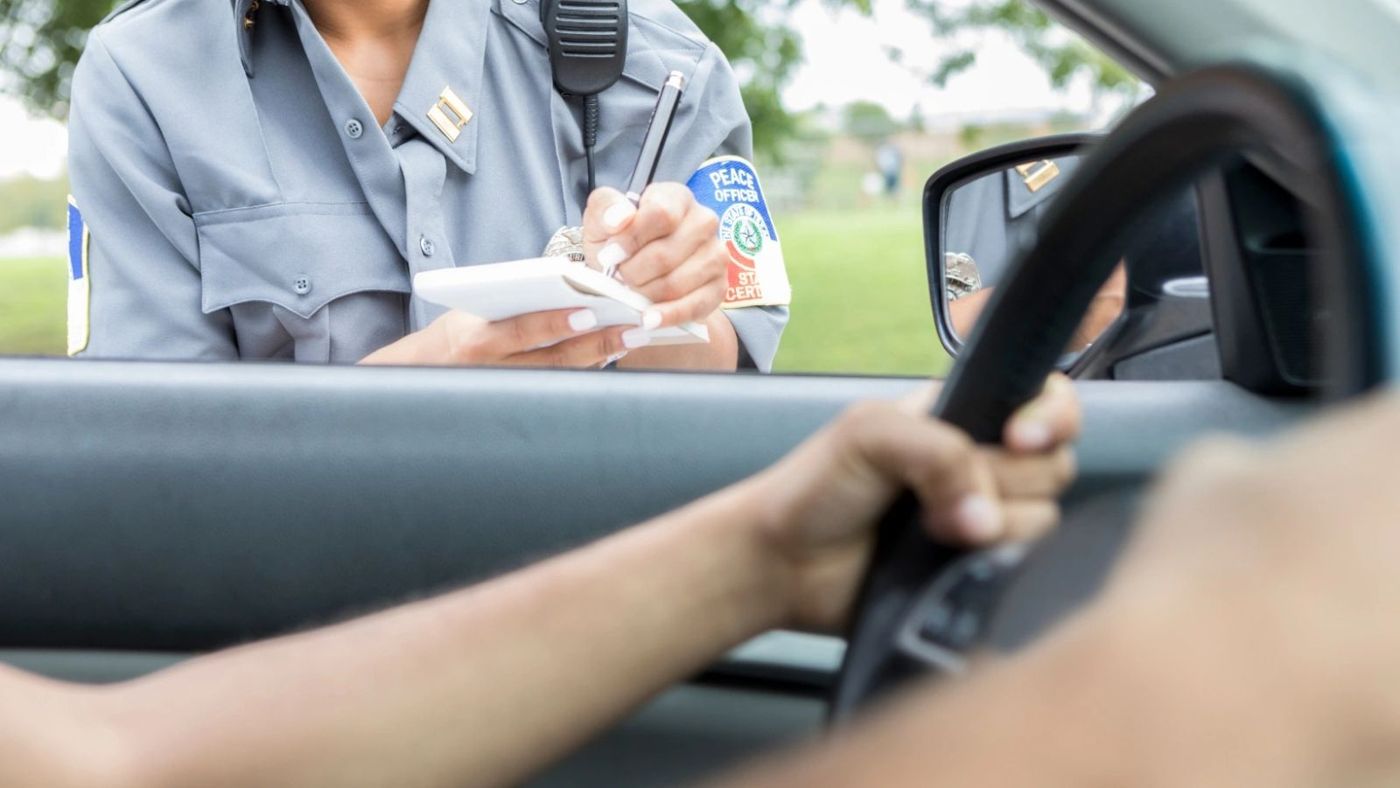

Receiving a speeding ticket can be stressful, especially if you've never dealt with Ontario's Provincial Offences Court. The good news is that a ticket doesn't automatically mean a conviction. Whether you were stopped on Highway 404 or Yonge Street, here's what to expect.
Step 1: Read your ticket carefully
Check your name and address, vehicle information, the alleged speed and posted limit, the date, time and location, the officer's information, the court location and the response deadline. Mistakes don't automatically result in dismissal, but spotting them early is worthwhile. Most importantly, don't ignore the deadline: missing it can mean a conviction registered without you ever attending court.
Step 2: Decide how you'll respond
You can generally pay the fine, plead guilty with submissions on penalty, request a trial, or get advice before deciding. Paying is an admission of guilt and puts a conviction on your record, so many drivers request a trial first to give themselves time to review the evidence.
Step 3: Request disclosure
If you contest the ticket, request disclosure: the officer's notes, radar or lidar information, witness details, and any other evidence the prosecution intends to rely on. An experienced traffic ticket paralegal knows what to look for and whether anything is incomplete or inconsistent.
Step 4: Your first court appearance
It's usually much less intimidating than people expect. It may involve confirming your identity, reviewing disclosure, speaking with the prosecutor, scheduling future dates and discussing possible resolutions. Many matters are resolved before a full trial.
Step 5: Speak with the prosecutor
Before court, you may be able to discuss the allegation, the disclosure, possible resolutions or a reduced charge. Some matters go to trial; others are resolved through negotiation that significantly reduces the impact on your record.
Step 6: What the judge does
The Justice of the Peace makes sure the process is fair and does not represent either side. They may confirm your plea, explain procedure, hear evidence and legal argument, and deliver a decision.
Step 7: If your matter goes to trial
The prosecution must prove the charge beyond a reasonable doubt. Issues may include the accuracy of speed measurement, officer observations, identification of the vehicle, procedural requirements or disclosure problems.
What to bring to court
- Your original ticket and government-issued ID
- Any disclosure you've received
- Your notes about the incident
- Correspondence from the court or the Ministry of Transportation
- Anything your representative has asked for
Keep it all in one folder, and arrive early.
What if you just pay?
A conviction for speeding, or for more serious offences like careless driving, may bring demerit points, a permanent entry on your driving record, higher premiums, consequences for commercial drivers, and greater penalties for future offences.
Do you need a traffic ticket paralegal?
Not every ticket does. But professional help matters if you face significant demerit points, hold a commercial licence, are a novice driver, or were charged well over the limit. A licensed paralegal can navigate the Provincial Offences process, identify defences and work toward outcomes that protect your insurability.